Confabulation and False Memories

by Web MD Editorial Contributors, Medically Reviewed by Smitha Bhandari MD
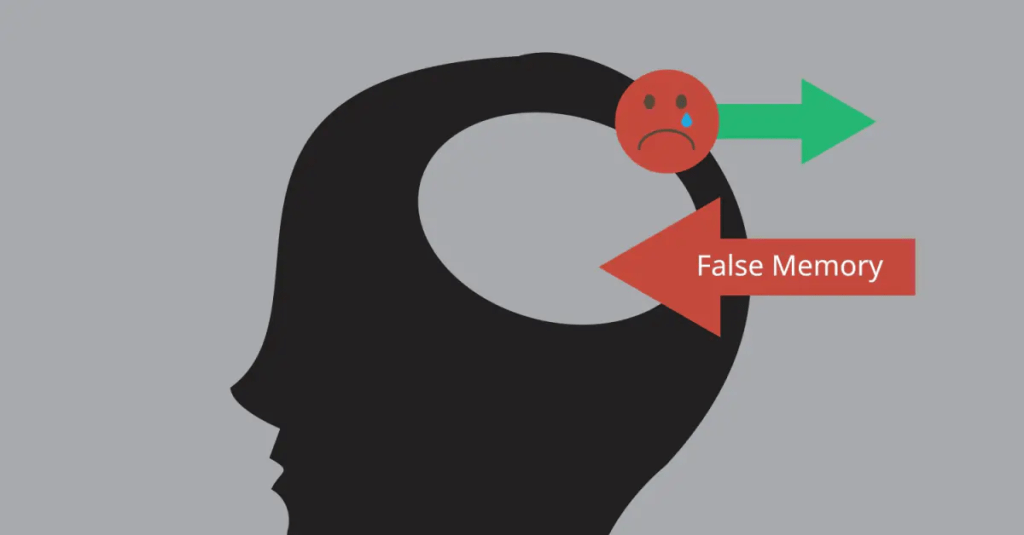
Image – Sydney Criminal Lawyers

No one’s memory is 100% percent accurate, but some people make many memory errors. They believe in the accuracy of these faulty memories and can be convincing when talking about them. This is what scientists call confabulation. Some brain conditions can cause these errors in memory.

What Is Confabulation?

Confabulations are usually autobiographical, involving people misremembering their own experiences. Sometimes they place experiences in the wrong time or place. They may wrongly recall other details, large or small. Occasionally confabulations have little basis in reality. Details can be drawn from movies, television, and overheard conversations.

Of course, people with no brain disorders can have faulty memories. Normal mistakes in memory become confabulation when people remember false information in vivid detail, often claiming to relive the event. They may exhibit genuine emotions, such as grieving over a friend who has not died. Listeners often believe what they are hearing is true. 

What Confabulation Is Not

Confabulation is not lying. Confabulation differs from other forms of falsehood. Confabulators have no reason to tell a lie and don’t realize that they’re not telling the truth. Their brains simply filled in some missing spots with false information. Some people have called this “honest lying”.  

Confabulations are not delusions. Both involve false beliefs, but confabulation almost always involves a memory, while delusions are less anchored in the real world. Delusions occur mostly in psychiatric disorders such as schizophrenia. Confabulation is more common in brain disorders such as dementia.

Two Kinds of Confabulation

Confabulations can be either provoked or spontaneous. They’re provoked if they occur in response to a question. The person may feel compelled to answer even if they don’t know what to say. They’re spontaneous if they’re offered voluntarily. Spontaneous confabulations are usually less believable and might be fantastic or bizarre. 

Conditions Linked to Confabulation

Confabulation is caused by brain damage or poor brain function, but researchers are unsure which parts of the brain are at fault. The frontal lobe or the basal forebrain may be involved. Confabulation occurs with several brain disorders. These are some of the most common. 

Wernicke-Korsakoff syndromeConfabulation was first studied by a Russian psychiatrist, Sergeievich Korsakoff. He noticed that his clients who overused alcohol often had faulty memories. He gave his name to a condition that occurs with an alcohol use problem. Wernicke-Korsakoff syndrome is caused by a vitamin B1 deficiency.

Alzheimer’s disease. Those with Alzheimer’s disease experience a range of symptoms. Delusions, such as believing that someone is stealing from them, are common. Provoked confabulations are common in early Alzheimer’s. Spontaneous confabulations can become a serious problem if the person with Alzheimer’s acts on their mistaken beliefs.

Traumatic brain injury. A blow to the head can cause problems in thinking and memory. Confabulation can be a special problem for those with traumatic brain injury. They may misreport events leading up to the injury or make mistakes about other important details.

Fetal Alcohol Spectrum DisorderExposure to alcohol in the womb can cause a person to have a variety of brain problems, including confabulation. Often those with fetal alcohol spectrum disorder are suggestible and eager to please. These characteristics can make them likely to create false memories.  

Can Confabulation Be Treated?

Confabulation won’t go away unless the underlying condition is addressed. Doctors can treat some conditions. For example, Wernicke-Korsakoff syndrome is treated with vitamin B1. Other conditions lack effective treatments.   

Those who live or work with confabulators can reduce problems by using strategies such as these:

  • Minimizing distractions
  • Avoiding leading questions
  • Allowing extra time for processing
  • Reducing stress
  • Using simple language
  • Checking to see if they understand

Some confabulators can be taught how to monitor themselves. Memory aids can help. They can keep memory diaries so they don’t feel pressure to remember everything.

Results of Confabulation

For the self. Confabulation performs several functions for those who do it:

  • It lets them make sense of their situation.
  • It enhances their sense of self.
  • It makes them relevant in the world. 

For family members. Dealing with confabulation can make family members frustrated, angry, or sad. They should remember that their relative is not being untruthful on purpose. A support system is vital for those who confabulate. They may give inaccurate information in a variety of situations. Family can be a part of that support system. 

In the legal system. Individuals who confabulate can make false confessions and give false testimony. Although they are not lying on purpose, the results can be serious. Those who interview people with certain brain disorders should understand confabulation. They should avoid long interviews, suggestive questions, and other techniques that could cause the subject to give false information.

Webmd.com

Histrionic Personality Disorder and Lying

by Lori Lawrenz PsyD

Histrionic personality disorder (HPD) is a psychological condition that causes someone to engage in attention-seeking behaviour. Some aspects of this condition may cause a person to lie to manipulate others.

It is possible that those with HPD may lie more than those without this condition, as they may feel the need to manipulate others to attract their attention. There is no research indicating how frequently those with HPD lie compared with those in the general population. However, anecdotal evidence suggests people with HPD may lie or exaggerate the truth.

This article will closely examine HPD and its connection to lying and how to deal with lying and manipulation.

Understanding lying and histrionic personality disorder

There are several traits relating toTrusted Source
 HPD that may cause a person to lie, exaggerate the truth, or manipulate, such as:

Feeling uncomfortable when not the center of attention: Those with HPD feel a need to be the center of attention and, therefore, may use lying or exaggeration as a way to attract attention to themselves.

Shallow or frequently shifting emotions: This means that people with HPD may exhibit emotions that seem insincere to others and change often depending on the situation.

Exaggerating emotions: Someone with HPD may exhibit emotions in an overly dramatic or exaggerated way to attract attention from others.

Manipulative tendencies are common for people with HPD, as they may feel a need to gain attention from those around them or use their emotions to control those around them. They may make up either positive or negative emotions or stories to get this attention.

What is histrionic personality disorder?

Personality disorders are psychological conditions that affect the way a person thinks, feels, and behaves. These conditions cause someone to behave outside of cultural expectations in ways that may cause distress and problems with functioning and maintaining relationships.

HPD is a cluster B personality disorder. Cluster B personality disorders cause a person to have difficulty regulating their emotions and maintaining personal relationships. ResearchersTrusted Source
 are not sure what causes HPD, but it likely has links to factors such as trauma in early childhood and certain parenting styles.

Other histrionic traits include:

  • frequent flirtatious or seductive behaviour
  • using appearance or clothing to attract attention
  • exaggerated or overly dramatic emotions
  • being easily influenced by others
  • thinking relationships with others are closer than they really are
  • engaging in manipulative behaviors
  • engaging in impulsive behavior

Pathological lying

Pathological lying describes somebody who persistently and compulsively tells lies to the point that it damages their personal and professional lives and relationships. Pathological lying can cause distress and harm to both the pathological liar and those around them and persists longer than 6 monthsTrusted Source
. A person can not receive a diagnosis as a pathological liar, but a doctor may recognize pathological lying as part of a personality disorder.

According to research from 2020, pathological lying has a prevalence of around 8–13%Trusted Source
. A person may lie pathologically to bring attention to themselves or to otherwise benefit from the lies they tell.

Dealing with lying and manipulation

Maintaining any kind of relationship with someone who engages in lying and manipulative behavior can be difficult. This behavior can damage relationships and affect a person’s well-being.

It is important to remember that the individual telling lies or engaging in manipulative behavior may not be in control of their actions or may be acting due to their own distress. Avoiding judgment and blame while setting and maintaining strong boundaries may help a person protect themselves and their relationship.

Certain methods may help someone deal with lying and manipulation, such as:

  • not engaging with them or seeming uninterested
  • having strong boundaries and saying “no”
  • understanding they are responsible for their own feelings and behaviors
  • helping them identify their reasons for lying and manipulating
  • helping them find support from a doctor or therapist

Support for those living with others who have personality disorders

Support for friends and family of those with personality disorders can help people maintain their own well-being and their relationship with someone with a personality disorder. Learning more about their condition can help with maintaining a healthy relationship in which all parties feel safe and comfortable.

Therapy may be a helpful tool for those living with others who have personality disorders to express their feelings and experiences and receive support. A person may use other tools, such as support groups and online resources, to find support.

Summary

HPD is a personality disorder that causes someone to exhibit exaggerated emotions and engage in extreme attention-seeking behavior. Part of this behavior may involve lying and manipulation to gain the attention of those around them.

Pathological lying is not a diagnosable condition but may occur when someone has a personality disorder.

Medical News Today

Those Who Lie to the Media

When is it okay to lie to the media? by Melissa F Daly

Image – Dreamstime

The answer is: Never. Really. Lying to the press is essentially an open invitation to become an even bigger target for both journalists and the public. One of the easiest ways to give a bad story a longer shelf-life is to lie to a journalist. Equally important, lying to the press ruins your own reputation as a communications professional and that of the organization or person you are representing.

Although there are times when lying, or misleading a reporter, may seem easier and you may think it will yield a positive result, the long-term effects can be detrimental. Here, we will address three topics that may lead you down the wrong path of being dishonest with the press and how to better handle these issues.

Answering every question from the media: Depending on the whether your company is public or private, and for an individual, if you are an elected official or private citizen, every question that is asked does not have to be answered. In some cases, there are legal or regulatory reasons to choose to or not to respond. But in every instance, the answer needs to be true and consistent over the long-term. If you cannot be honest, then decline to comment. The right PR guidance and media relationship can only serve to benefit you. 

You don’t want the facts to get out: The reality is that if a reporter has verifiable facts, they have the right to share what they have with the public. Facts are different than opinions or rumors and reporters work hard to adhere to the standard of presenting facts. At times, data can be manipulated to highlight a certain element of a story, but it would serve you to present your interpretation and explanation, or an updated set of facts if they are relevant. But the underlying information needs to be truthful.

A crisis or sensitive situation is gaining traction: When we get early signs that a bad story is about to come to light, it is critical that the organization’s leadership and communicators spring into action quickly. We cannot kill a story by denying the very existence of the issue or overtly downplaying what is happening. No matter the size of your organization, planning ahead with a crisis plan, including a working group, is crucial. Keep your eyes open to social media, industry events and regulatory issues that may impact your firm. Be prepared with the right messaging, supporting information and a plan of action as to how to communicate with your key stakeholders, not just the press. It is imperative to be honest and accurate with the information that you decide to divulge. Having a positive and trusting relationship with the media will go a long way in helping you and your firm.

Whether you are a spokesperson or a source working for a business, person, government entity, or non-profit, building honest and positive relationships with journalists will be the one of the best ways to ensure that your side of the story will be heard. Lying to the media will put you further under the microscope and undermine your own efforts to get a better story in the press.

How Honest Are People On Social Media

Cortney S. Warren PhD, ABPP

The world is consuming and interacting with social media at increasingly high rates. According to 2018 data from the Pew Institute [1], the majority of U.S. adults now use YouTube (73 percent) or Facebook (68 percent); of those who use Facebook, more than half check this platform several times a day.

As we engage on social media with greater frequency, we find ourselves sifting through photos of children, commentary about food, and explosive reactions to current political events. This increased media usage and exposure poses the question: How accurate is the information we are getting? More specifically, how honest are people on social media sites?

Honesty and Lying on Social Media

The truth is that people tend to lie on these platforms. How? First, people directly lie about their lives, which is often an effort to make themselves look more desirable or positive. In a study examining 80 online daters, Hancock, Toma, and Ellison [2] found that two thirds of participants lied about their weight by five pounds or more. In a large sample of over 2,000 people in England conducted by Custard.com [3], 43 percent of men admitted to making up facts about themselves and their lives that were not true online.

Even more commonly, people “lie” by presenting an image of themselves and their lives that is imprecise or less than comprehensive, leading the viewer to believe falsehoods. For example, in the Custard.com [4] study, only 18 percent of men and 19 percent of women reported that their Facebook page displayed “a completely accurate reflection” of who they are. Most commonly, participants said that they only shared “non-boring” aspects of their lives (32 percent) and were not as “active” as their social media accounts appeared (14 percent).

How and Why Does Dishonesty on Social Media Affect Us?

Although selective self-presentation and lying about ourselves on social media may not seem like a surprise (or even a big deal), it can affect us greatly. Why? Humans are naturally social creatures—we crave relationships and social interaction. According to some of the most prominent theories of human nature (e.g., Adlerian psychotherapy) and a large body of research, social interaction and feeling a sense of belonging to a community are two of the most important predictors of psychological and physical health [5]. Given our social nature, we want to feel connected to people and “in the know” about our friends, family, and even celebrities.

In addition to being social, we appear to have a natural propensity to trust that others are being honest with us. A large body of research suggests that we are programmed to trust others [6]. Although the reasons for our tendency to trust are complex, without interpersonal connectedness and a fundamental belief that those around will support you, protect you, and treat you respectfully, we feel unsafe. In essence, trust is developmentally essential to our feelings of safety and security.

When we engage on social media and our propensity to trust is met with overt lying and less than honest presentations, it can be problematic because we internally presume that what is presented is true. That people are naturally as good-looking as their photos appear on a daily basis. That people’s daily home life is as perfect as the pictures depict. That others have very few gut-wrenching struggles. That people around us are in a habitual state of going on vacation, eating out, and parenting blissfully. This is clearly not true. But although we are less aware of the realities of other peoples’ lives, we are well aware of the ways in which our own lives are NOT ideal.

Social Comparison in Social Media

To make matters more complicated, when we internally believe that what we see in social media is true and relevant to us, we are more likely to compare ourselves to it in an internal effort to evaluate ourselves against those around us (e.g., regarding our looks, wealth, significant other, family, etc.). As we do this against the idealized images and unreasonably positive life accounts that tend to permeate social media, we are likely to feel more poorly about ourselves and our lives.

Indeed, a growing body of research suggests that social media use can negatively affect your psychological health, particularly if you compare yourself to the positive images you see online. In a study of 339 college women (Puglia, 2017), the tendency to compare oneself to others was associated with poorer body esteem. Furthermore, in a sub-sample of 58 women in the Puglia study, those with higher levels of Facebook usage displayed lower body satisfaction than those with lower Facebook usage [7]. Similarly, in an experimental study by Vogel and colleagues [8], participants who tended to compare themselves to others more regularly had lower self-esteem, more negative emotions, and a poorer view of themselves after using Facebook than participants who did not tend to compare themselves to others.

The naked truth is this: Most of us now use some form of social media. Research suggests that what people post on social media is not an accurate representation of their lives or who they are. In fact, it may be blatant lies.

Consequently, when engaging with social media, it is critical to remind yourself that what you see is not an accurate picture of reality. Don’t compare yourself to the images of friends, colleagues, or celebrities. Remind yourself that it is just a snapshot of their life—and one that they want you to see.

Copyright Cortney S. Warren, Ph.D., ABPP

Psychology Today

Pathalogical Liars and Mental Disorders

By Kristina Robb-Dover

Everyone lies. It’s a part of life, for better or for worse. Some people find peace in white lies and don’t feel bad about occasionally avoiding the truth to spare a loved one’s feelings. Others, however, see lying, even major lies, as something completely inconsequential.

Pathological lying goes far beyond the standard lies most people tell. Pathological liars lie about all kinds of things, big and small, for seemingly no reason whatsoever. Individuals with this personality trait may lie about innocuous things, like weekend plans, or larger topics, like past experiences, work, schooling or relationships. This may seem like nothing more than an obnoxious personality trait — and in some cases, it is — but lying to this level can also be a symptom of a larger problem. When narcissistic pathological lying begins to interfere with someone’s personal life or the lives of those around them, it may be time to consider a conversation with a therapist or other trained mental health professional.

Defining Pathological Lying

Pathological lying is a behavior pattern in which individuals lie chronically or compulsively. Sometimes referred to as mythomania or pseudologia fantastica, pathological lying generally manifests as lying for lying’s sake. In some cases, individuals may lie to make themselves look better, but in others, they may have no good reason to lie or gain nothing from the act of lying. Being the friend or family member of a pathological liar can be very frustrating, as it’s hard to tell what’s a lie and what isn’t or when a liar can be trusted.

There may be biological drivers behind pathological lying. One study found that central nervous system behavior may influence a propensity for lying, and another found evidence of lying due to an imbalance in the hormone-cortisol ratio. However, due to the differences in the nature of lying and the purposes of lying from one individual to another, there’s not always clear logic behind when or why pathological lying occurs.

“Sometimes lying can be a coping response, often starting in childhood, for some psychological or personality issue that may not be at first visible, it is important to see past just dealing with the lying to uncover the cause,” shares Dr. Beau A. Nelson, DBH, LCSW, Chief Clinical Officer at FHE Health.

Mental Health Disorders

Mental health disorders can and do play a role in pathological lying and may be a contributing factor. In many instances, getting a diagnosis can be the first step to addressing chronic lying.

Determining the difference between lying for social or personal reasons and lying due to mental illness can be a challenge. However, there are often differences in the manifestation of lying in those with mental illnesses versus those who lie for other reasons. For example, there are links between mental illness and believing your own lies; liars with other motivations often don’t believe what they’re saying.

Some of the mental health disorders that cause or contribute to pathological lying include:

Narcissistic personality disorderAlso called NPD, narcissistic personality disorder manifests as arrogant and self-centered behavior with little regard for other people’s feelings. Narcissistic pathological liars may lie for attention, to make themselves feel better, to feel superior to others or to manipulate others for the purposes of self-gain.

Obsessive-compulsive disorder. Obsessive-compulsive disorder, or OCD, is a mental disorder that features intrusive thoughts and feelings, or obsessions, and a strong urge to perform certain behaviors, or compulsions. In some cases, there are ties between OCD and compulsive lying. Lying can be a true compulsion in a person with OCD experiences, or it can be a negative coping method.

Anxiety disorders. Anxiety can manifest in numerous ways, from acute episodes to more generalized anxiety. While pathological lying isn’t a defining feature of anxiety as it is with other disorders, such as NPD, anxiety and compulsive lying can sometimes go hand in hand. People with anxiety disorders may lie to protect themselves from anxiety triggers or to handle things like a fear of rejection.

Antisocial personality disorder. Antisocial personality disorder is a serious diagnosis that often involves manipulation and cruelty toward others for the sake of personal amusement. It’s often associated with psychopathy. Those with APD might compulsively lie to manipulate the people around them, hurt others’ feelings or otherwise cause harm.

Other Reasons for Pathological Lying

While pathological lying can be linked to mental health disorders, it isn’t always. There are numerous other reasons people may lie with abandon, including:

Insecurity. Some people feel very insecure about who they are and might lie in an effort to make themselves feel better or inflate their own sense of self-worth. Lying may also be a defense mechanism to prevent ridicule or social exclusion. Lying under these circumstances is often quite transparent.

Social status. For those who value social status, lying may be a way to maintain a reputation. For example, communities focused on looks or financial status may look down on behaviors they perceive as lesser. Participants in these kinds of communities, like country clubs or prestigious social organizations, may lie to fit in with their desired peers.

Humor. Though less common than other reasons, some people may lie often because they find it funny. They may not understand the frustrations that come with being lied to or may believe their lies are so egregious that no one would believe them.

Substance abuse. Many substance abusers have issues with honesty, but this is generally inspired by a desire to hide signs of abuse rather than lying for attention or sympathy.

Pathological lying can seem harmless, albeit annoying, but it may be the sign of a bigger problem. Compulsive lying can be a symptom of a mental health disorder or even substance abuse. If pathological lying is a problem in yourself or others, therapy can be a good place to start in getting to the bottom of an issue. Confronting another person about their lying can be challenging but may be a good way to bring a problem to light. When addressing a friend or loved one’s lying, be prepared with a plan, including examples of lies that have harmed relationships or other life circumstances.

How to Cope With a Pathological Liar

It can be challenging, even overwhelming, to maintain a close and trusting relationship with someone prone to pathological lying. The constant uncertainty and broken trust make it difficult to have such a person in your life. If the pathological liar is a close friend or family member or even a spouse, learning to cope with them is crucial to your own well-being.

First, it’s important to recognize that pathological lying is often a compulsion rather than a deliberate act of deceit. Much like a compulsive overeater who might not make a conscious choice to stuff themselves to the point of getting sick or causing health problems, the pathological liar probably isn’t choosing to intentionally spew falsehoods but is instead struggling with an overwhelming urge to fabricate.

You should also understand that pathological lying is usually not the underlying issue. Rather, it’s typically a symptom or manifestation of an underlying mental health condition. If you share a close relationship with someone who compulsively lies, consider gently encouraging them to seek professional help. If you can compel them to address the root cause of the issue, you can play an active role in their healing process.

Treatment for Pathological Lying

Because it isn’t a standalone medical condition, pathological lying doesn’t have a specific treatment. That said, it can often be treated by addressing the underlying mental health issue that causes it. For instance, if pathological lying is the result of a personality disorder, such as dissociative identity or borderline personality, treatments such as medication and cognitive behavioral therapy can make a major difference.

Getting help for mental health issues, including conditions that may lead to pathological lying, can be a critical step. Contact FHE Health today to learn more about our comprehensive treatment options.

FHE Rehab